One month after the publication of the podcast The “Fatbikes” Ruining Dutch Cycling (w/Meredith Glaser) from The Urbanist Agenda this reaction.
The underlying research done by the students of professor Glaser that resulted in this paper gives us some interesting findings about the riders of fatbikes in Amsterdam (skip to 5.2.1. in the article):
- 90% of the respondents said they were new to cycling, leaving public transport
- from the large sample of bicyclists they were 6% of the total
- the fatbike gives affordable mobility freedom and flexibility (just like any bike, unlike public transport and car)
- the women said they felt more safe because of its characteristics
- it was loved for cargo and the extra passenger seat
- households would share one fatbike for all family members to use, not owned by one individual, as affordable mobility for the whole family
All together, this gives reason to pay more respect to the lived reality of mobility experiences. Surely it is “a tool for achieving mobility justice and enhancing connectivity for youth and residents in the city’s outskirts.”
In the podcast Glaser criticises the ‘fatbike ban’ in Vondelpark. It is a racist policy against a group of people she claims, while Amsterdam should instead embrace all these new bicyclists. They can reach destinations and travel at times and in a timeframe that are not possible by public transport in combination with the restrictive car policies in Amsterdam.
Both Fietsersbond Amsterdam and Geef het fietspad terug! are not blaming any particular group or just the fatbike. We don’t stigmatise users through narratives of antisocial behavior and such. No, it is the e-bike in all its manifestations that is a problem on the bikelanes of Amsterdam: Van Moof, UrbanArrow, Cowboy, etc. The speed differences it causes and how it rides scares young and old bicyclists away from protected bike lanes and parcs. Children are increasingly transported in cargo bikes instead of cycling themselves and the elderly stay home more, because public transport is not a good alternative.
By law, the bicyclists have to take the bike lane if there is one. They are not allowed to drive in lane for cars. Because alle e-bikes are bicycles. While they should be treated as ‘light electric vehicles’, LEVs. With a license plate and vehicle approval process.
The city of Amsterdam wants all this, but nationally the minister does not. There is a lobby against that. Also, the coalition wants less rules not more.
Populists are pointing at the police and the city to ‘just enforce the law’ when it comes to tuning and speeding. But that is practically impossible without license plates and vehicles. It would require bringing each one to a full stop. In traffic in Amsterdam this is only feasible by police officers trained to drive a motorcycle. This is an elite group with a unique and rare skill set. To chase a two wheeler (bike, e-bike, fatbike, scooter, moped, motorbike) in traffic just calmly following while having colleagues swarm from other directions is the strategy. The general public should not be brought in danger. With many bicyclists and pedestrians this is a challenge. The police in Amsterdam rarely fines bicyclists for this reason. Only police by bike will go after bicyclists when caught in the act.
Therefore the e-bike should become a vehicle with an vehicle approval before it comes into the street. It then can’t be sold without a license plate. Riding an e-bike without a license plate is an offense in itself. It will be rare and easy to enforce. Tuning can then be defined as alteration from the approved version. Speeding can be fined in passing, with cameras even.
In the paper it says that “Because sweeping national restrictions remained stalled due to broader European transport harmonizations, individual municipalities adjusted their General Municipal Bylaws” while the problem is the political will from VVD to do so. EU-rules are not an obstacle for member states to redefine the e-bike as a vehicle.
In short, the e-bike is not a bicycle but a kind of light moped. It should be regulated.
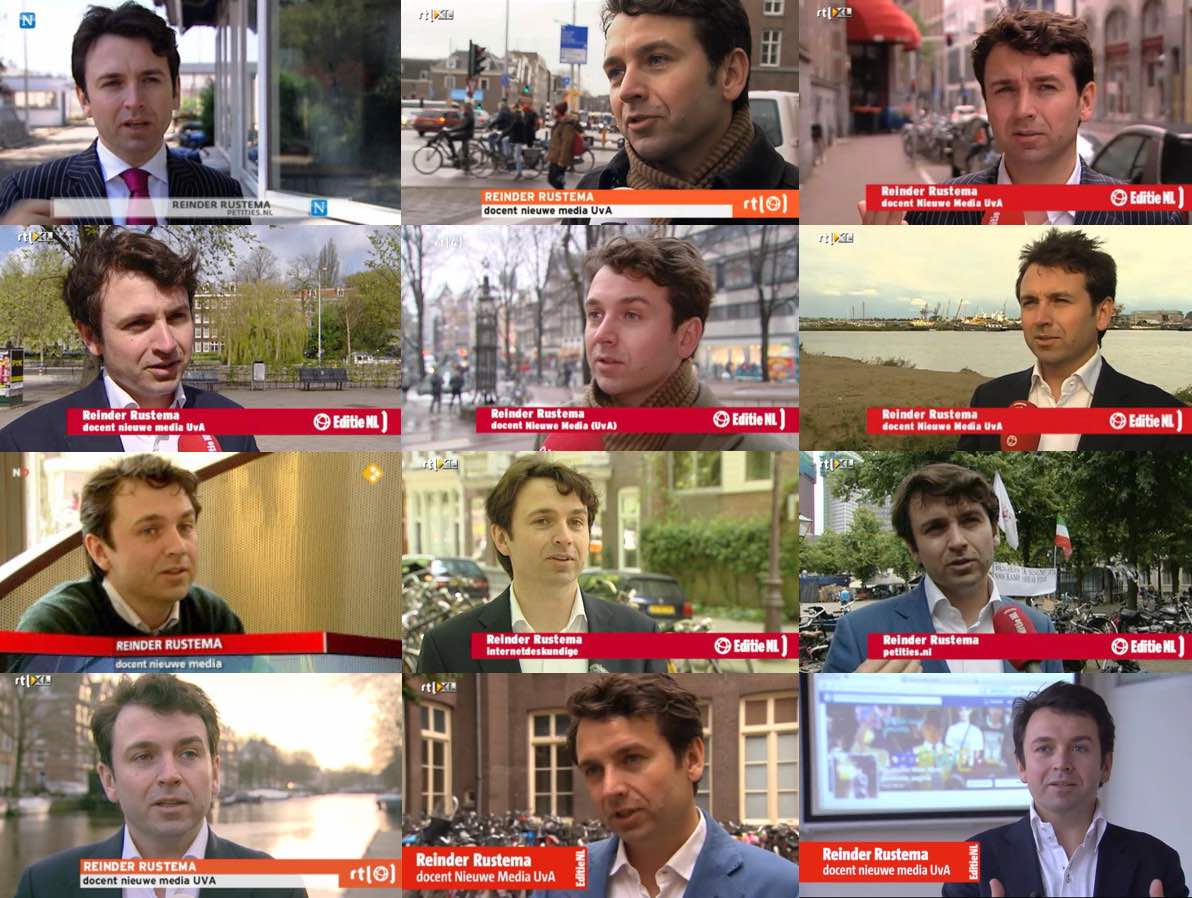
Reinder Rustema, co-founder of Geef het Fietspad Terug! and member of Fietsersbond Amsterdam since 1990 and deeply involved in the lobby for the helmet law for snorfiets riders in 2023.